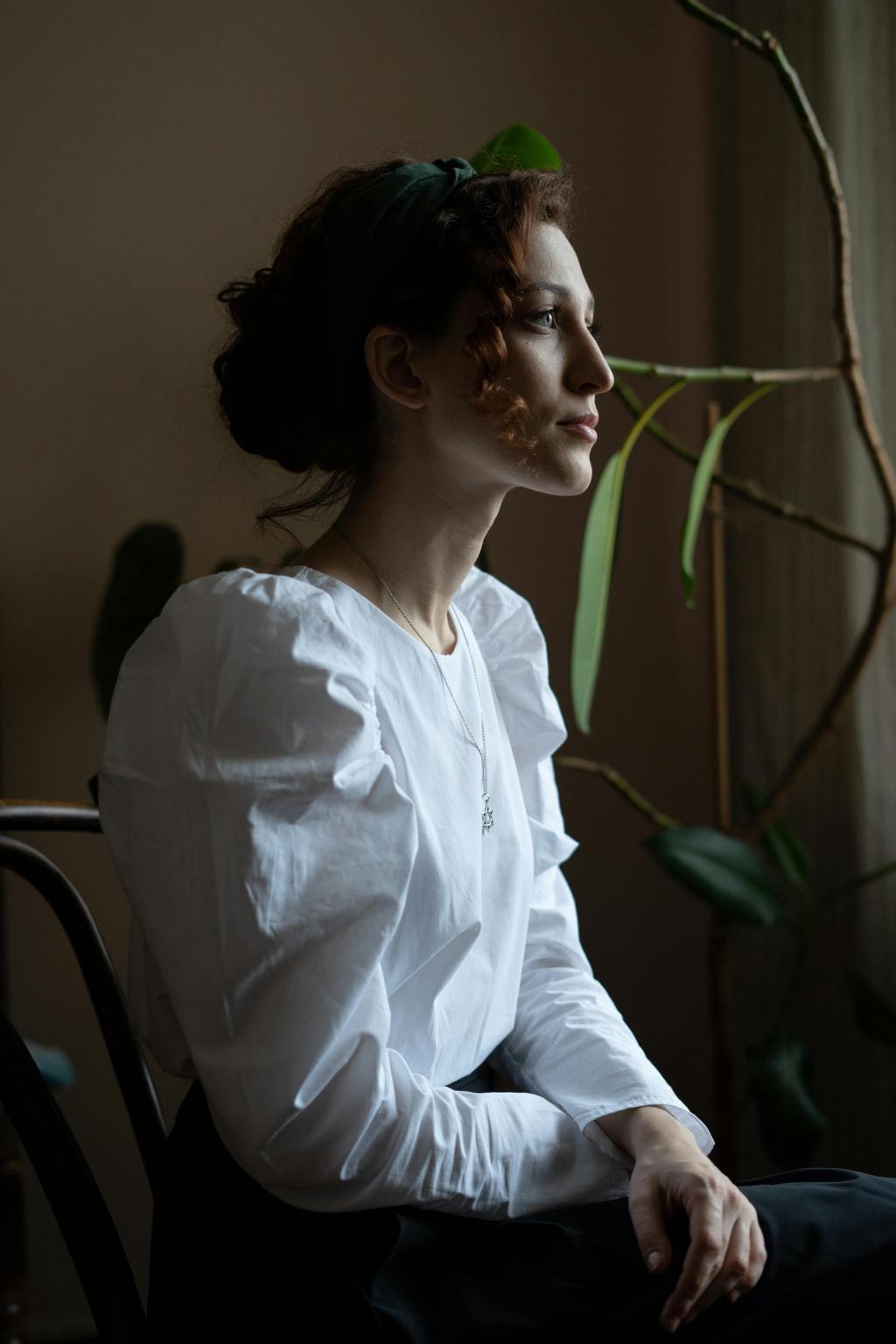
The day I stepped into the waters and emerged transformed.
Part 4 of a series on choosing a Jewish life
by Hadassah | The Chai Life
I woke up on the morning of my conversion feeling both nervous and exhilarated. After almost two years of study, countless Shabbat candles, and more questions than I could count, the day had finally come. I was about to stand before a beit din, immerse in the mikvah, and officially step into the covenant of the Jewish people.
It felt huge. Holy. A little overwhelming.
And it was also beautifully ordinary: just me, a nervous stomach, and the awareness that the choice I was about to make would shape the rest of my life.
Meeting the Beit Din
The day began with the beit din—a small panel made up of my rabbi and Jewish educators. It wasn’t an interrogation. It was more like a heartfelt conversation about what had brought me here and how I was already living Jewish life.
They asked questions:
- Why Judaism?
- What practices had become meaningful for me?
- How did I envision continuing to grow once I converted?
I answered honestly, even when I felt my voice shake. At the end, I spoke the oath of commitment, affirming that I was ready to join the Jewish people. It was simple, but it carried so much weight.
Preparing for the Mikvah
After the beit din, it was time to prepare for the mikvah—the ritual bath that represents spiritual transformation.
Before immersion, you shower carefully. And I mean carefully. Every part of you needs to be clean—all the way down to the dirt under your fingernails and toenails. Jewelry comes off. Makeup comes off. Hair is brushed so no tangles remain. Nothing can be between you and the living waters.
It’s practical, yes, but also deeply symbolic. The preparation reminds you: you’re entering this moment with nothing to hide, bringing your whole self before God.
The Mikvah Experience
Walking into the mikvah, I felt nervous again. The idea of immersing, of being witnessed in such a vulnerable moment, was intimidating.
But once I stepped down into the warm water, something shifted. The space was quiet, almost hushed, and the water embraced me in a way that felt both grounding and freeing.
I immersed three times, fully covering myself with water each time. After each immersion, I said the blessings—stumbling a little, but meaning every word.
And then it was done. Just like that.
Emerging Jewish
When I came up from the final immersion, an overwhelming emotion washed over me. I didn’t cry, but I felt like I could have—my body humming with the sense that something was different. Something had changed.
It wasn’t dramatic. There were no angels singing, no thunderclaps in the sky. Just me, wrapped in a towel, breathing differently, and knowing I had crossed a threshold.
It felt like a homecoming. Like something inside me had finally caught up with where I’d been heading all along.
What I Want You to Know
If you’re approaching your own conversion day, here’s what I want to tell you:
- The beit din isn’t there to scare you. They want to celebrate your journey.
- Preparing for the mikvah can feel intimidating, but it’s also beautiful in its simplicity.
- The nervousness is normal—but so is the deep, indescribable feeling that follows.
The mikvah isn’t just water. It’s transformation. It’s the moment your inner journey meets an outward ritual. And it’s one of the most sacred experiences of becoming Jewish.
Glossary
Mikvah — A ritual bath used for spiritual purification and transformation in Jewish life.
Beit Din — A Jewish “court” of knowledgeable leaders (often rabbis and educators) who guide and oversee the conversion process.
Immersion — The act of fully submerging in the mikvah water, done three times with blessings.
Shalom,
Hadassah
 The Chai Life
Leave a comment