Part 2 of a series on choosing a Jewish life
by Hadassah | The Chai Life
When I first started my conversion journey, I kept wondering: “Am I even allowed to do this yet?”
Could I light Shabbat candles even though I wasn’t Jewish?
Could I say blessings, or would that somehow be “fake”?
Could I walk into a synagogue without that little voice in my head whispering, You don’t belong here?
If you’ve had these thoughts too, you’re not alone. I promise.
Here’s the truth: you don’t have to wait until your mikvah day to start living Jewishly. In fact, the very heart of the conversion process is practicing Judaism before you’re “official.”
Why Practice Matters
Judaism isn’t just something you learn from books—it’s something you live.
Yes, you’ll study Jewish history, holidays, and texts. But what shapes you most is the lived rhythm of Jewish life: lighting candles, marking time with the calendar, stumbling through Hebrew, showing up at synagogue even when you feel awkward.
Conversion isn’t a test you pass. It’s a life you build. Practicing beforehand allows you to see what feels authentic, what stretches you, and what nourishes you. And it lets your rabbi and community see that you’re not just curious—you’re committed.
Small Steps That Make a Big Difference
When you’re starting out, everything can feel overwhelming. My advice? Begin small. Pick one or two practices that speak to you and grow from there.
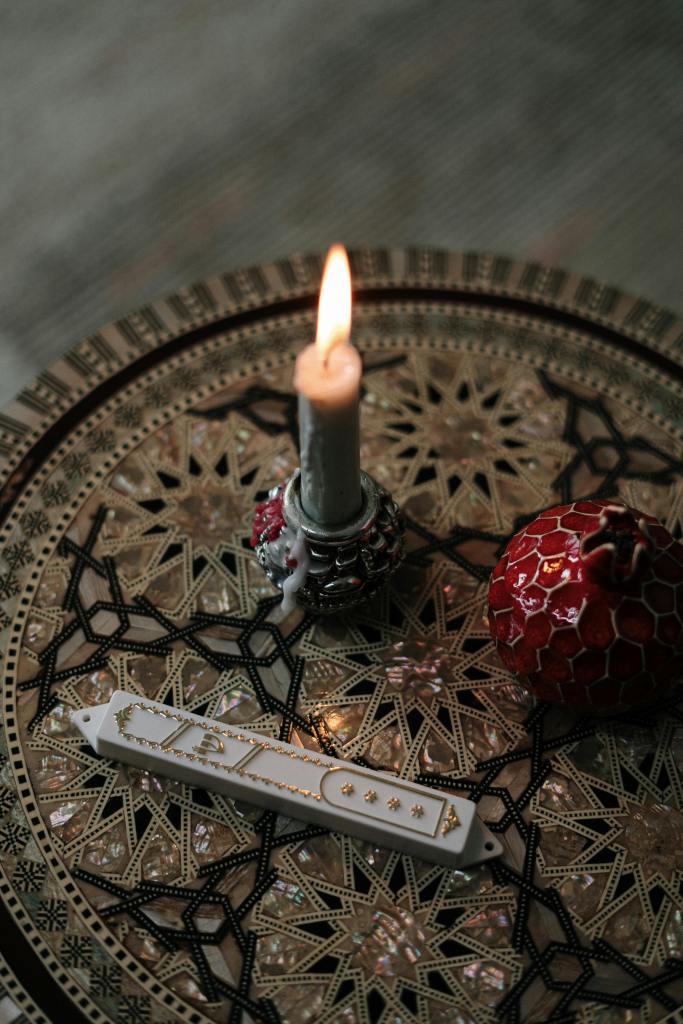
Light Shabbat candles. Even if you don’t know the Hebrew perfectly, just lighting and saying the blessing (or reading it in English) creates a sacred pause.
Say blessings over food. Judaism is full of ways to acknowledge the holiness of everyday things—even an apple or a glass of water. Try adding one short blessing before a meal.
Follow the Jewish calendar. Mark upcoming holidays, read about their meaning, or try participating in one new tradition. Maybe you fast (or try to) on Yom Kippur, or taste matzah on Passover.
Engage with Jewish texts. This could be a Torah portion podcast, a class, or a book that introduces Jewish thought. Even one teaching a week can shift your perspective.
Show up for community. Attend services, join a holiday meal, or take a class. Yes, it feels intimidating at first. But most people will be glad you’re there—and showing up is half the journey.
The Emotional Side: Imposter Syndrome is Real
If you’ve ever thought, “I’m not Jewish yet, so maybe I shouldn’t…”—take a breath. Practicing doesn’t make you an imposter. It makes you a learner.
Every Jew, even those born Jewish, had a “first time” for everything: the first candle lit, the first Hebrew word stumbled over, the first time they got lost in the siddur during services. You’re allowed to have those first times too.
And here’s something that comforted me: God doesn’t wait until after conversion to hear your prayers. Your sincerity matters more than your status.
What You Don’t Need to Stress About (Yet)
When you’re early in your journey, it’s easy to feel like you have to do everything at once. You don’t. In fact, trying to take on too much too soon can lead to burnout.
Here’s what you can give yourself permission to set aside for now:
- Keeping full kosher in every detail.
- Speaking Hebrew fluently.
- Owning every ritual object (mezuzah, tallit, kiddush cup).
- Living like a “perfectly observant” Jew overnight.
These practices are beautiful, but they can come later, gradually, at your own pace.
Practicing Is Preparing
Living Jewishly before you’re officially Jewish isn’t pretending—it’s preparing. Each candle you light, each blessing you say, each service you attend, is a step toward the life you’re choosing.
When the day of your mikvah finally comes, you won’t feel like you’re stepping into something brand-new. You’ll feel like you’re coming home.
So go ahead—try the blessings, light the candles, stumble through the prayers, ask the questions. Every small act is already part of your Jewish journey.
Coming up next…
- Dealing with imposter syndrome on the conversion journey
- My mikvah experience and day of conversion
- Resources that helped me along the way
Shalom,
Hadassah
 The Chai Life
Leave a comment